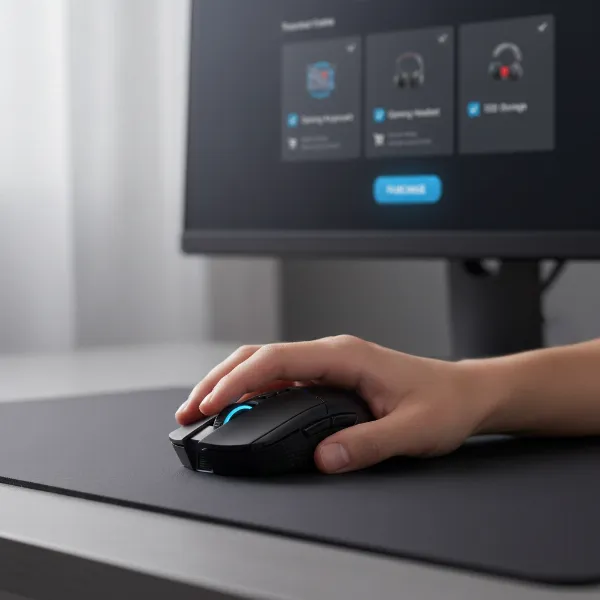
In the realm of desk peripherals, a large mouse pad, often known as a desk mat, has become an indispensable tool for enthusiasts and professionals alike. Far more than just a surface for your mouse, these expansive pads redefine your workspace, offering a blend of aesthetic cohesion, enhanced performance, and ergonomic comfort. Whether you’re navigating spreadsheets or dominating virtual battlefields, the right large mouse pad can significantly elevate your experience. This comprehensive guide will delve into the critical aspects of large mouse pads, exploring their diverse types, materials, leading brands, and essential buying considerations, ultimately helping you decide if an extended surface is your next must-have upgrade.
Choosing the Perfect Large Mouse Pad: A Detailed Guide
Selecting the ideal large mouse pad is a decision that impacts both your performance and comfort at the desk. It requires understanding how various features align with your unique needs. From the expansive canvas it provides to the subtle nuances of its surface, every detail plays a role in crafting your ultimate workspace. This section will guide you through the fundamental considerations, ensuring your choice is well-informed and tailored to your preferences.
Large Mouse Pad Sizes: Why Bigger is Better?
|
Our Picks for the Best Large mouse pad in 2026
As an Amazon Associate I earn from qualifying purchases.
|
||
| Num | Product | Action |
|---|---|---|
| 1 | Razer Gigantus V2 Cloth Gaming Mouse Pad (XXL): Thick, High-Density Foam - Non-Slip Base - Classic Black |

|
| 2 | Large Extended Gaming Mouse Pad with Stitched Edges, (31.5X15.7In) Durable Non-Slip Natural Rubber Base, Waterproof Computer Keyboard Pad Mat for Esports Pros/Gamer/Desktop/Office/Home-Black |
|
| 3 | SteelSeries QcK Large Gaming Mousepad — Black — Non-Slip Silicone Rubber Base — Peak Tracking and Stability — Optimized for Gaming Sensors — 490 mm x 420 mm — FPS, MOBAs, RTS, MMO |
|
| 4 | Aothia Non-Slip Waterproof PU Leather Desk Pad Protector for Mouse, Writing Desk, Office, Home, Laptop Blotter, 23.6" x 13.7", Black |
|
| 5 | Mouse Pad, Large Gaming Mouse Pad with Double Stitched Edges, 14.9 x 11.7 inches Premium-Textured & Waterproof Mousepad, Nonslip Natural Rubber Base Mouse pad for Laptop,Computer, Office, Black |
|
| 6 | Large Gaming Mouse Pad, 31.5x15.7 inch Large Extended Computer Keyboard Mouse Mat, Water Resist Non-Slip Mousepad Rubber Base Long XXL Desk Mouse Pad for Work & Gaming, Office & Home, Black |
|
| 7 | TEDNETGO Large Gaming Mouse Pad, Waterproof Extra Large Big Mouse Pad with Stitched Edge, XXL Non-Slip Black Computer Long Mousepad Desk Mat for Gamer, Office & Home, Black |
|
| 8 | KTRIO Large Gaming Mouse Pad Desk Mat, Superior Micro-Weave Cloth for Precise Mouse Control, Non-Slip Rubber Base, Stitched Edges, Water-Resistant, for Gamer, Office & Home, 31.5" x 11.8" inches |
|
| 9 | Amazon Basics Large Extended Computer Rectangular Mouse Pad, 16.7 x 35.7 inch, Black |
|
| 10 | SteelSeries QcK Gaming Mouse Pad - XXL Cloth - Peak Tracking and Stability - Esports Mousepad - Never-Slip - Full Desk Coverage |
|
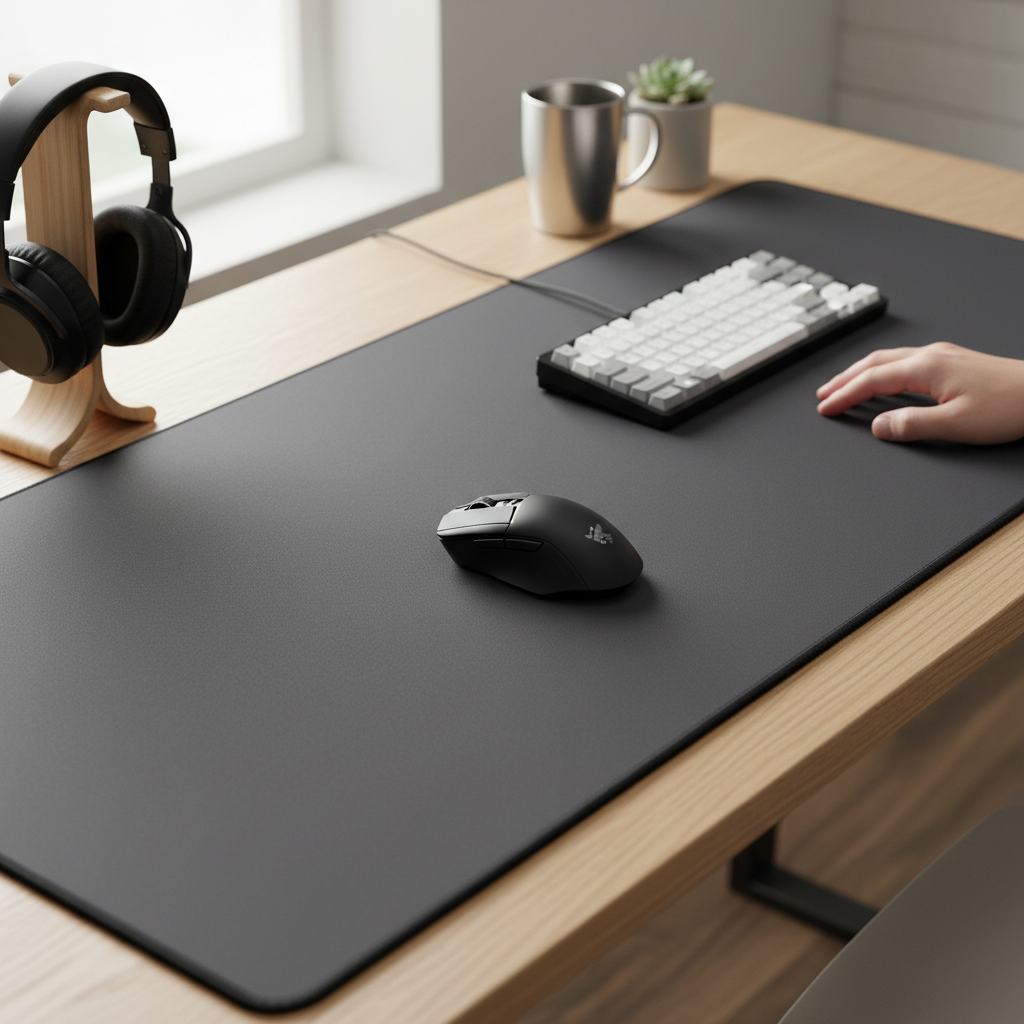
Why opt for a mouse pad that spans almost your entire desk? The primary advantage of a large mouse pad lies in the unrestricted movement it offers, especially crucial for gamers who utilize low DPI settings and require broad, sweeping mouse gestures for precision. Beyond gaming, a vast surface area provides ample space for both your mouse and keyboard, creating a cohesive and uncluttered aesthetic that enhances productivity. For professionals working with multiple monitors or complex software, the freedom to move without hitting an edge reduces friction and improves workflow. Common large mouse pad sizes range from extended options like 900x400mm to truly expansive XXL and 3XL variants, some reaching up to 48.3″ x 24.2″ or even 63″ x 31.5″, providing a seamless surface for all your peripherals. Ultimately, those who benefit most are low-DPI gamers, multi-monitor users, or anyone desiring a unified and spacious desk setup that minimizes interruptions and maximizes comfort.
[image-1|large-mouse-pad-desk-setup|A wide desk setup featuring a large mouse pad covering the entire desk, with a keyboard and mouse comfortably placed on it, emphasizing spaciousness and organization for gaming or productivity.|
A detailed top-down view of a modern desk setup featuring a large mouse pad (desk mat) that covers the entire surface. A mechanical keyboard is centered on the mat, and a gaming mouse is to the right. The mat itself is a neutral color, showcasing its expansive area. The background is a clean, minimalist workspace with a monitor. Lighting is soft and even, highlighting the textured surface of the mouse pad.]
Types of Large Mouse Pad Surfaces: Pros and Cons
The surface of your large mouse pad is perhaps the most critical factor influencing your mouse’s glide and tracking performance. There are three main types, each with distinct advantages and drawbacks tailored to different user preferences.
Cloth Surfaces (Soft Pads): These are the most common type, typically made from micro-woven fabric with a rubber base.
- Pros: They offer excellent control and precision, making them ideal for FPS (first-person shooter) gamers who prioritize stopping power and accurate flick shots. Cloth pads are comfortable for the wrist, reduce noise from mouse movements, and are generally flexible and portable. Many also feature good anti-slip properties thanks to their rubberized bottoms.
- Cons: Cloth pads tend to wear down over time, can accumulate dirt and dust, and are more challenging to clean thoroughly compared to harder surfaces. Their lifespan is often shorter, and some can fray at the edges if not stitched properly.
Hard Surfaces (Plastic, Glass, Metal): These pads are constructed from rigid materials like plastic, tempered glass, or aluminum.
- Pros: Hard surfaces provide incredibly fast glide with minimal friction, which is advantageous for MOBA (multiplayer online battle arena) gamers or those who favor quick, sweeping movements. They are highly durable, resistant to wear, and very easy to clean with a simple wipe. Glass pads, in particular, offer an ultra-smooth glide and are exceptionally long-lasting.
- Cons: Hard pads can be noisy due to the mouse’s friction, less comfortable for the wrist over long sessions, and may cause faster wear on mouse skates. Larger hard pads are also more fragile and difficult to ship, limiting their availability in truly expansive sizes.
Hybrid Surfaces: These combine elements from both cloth and hard pads to offer a balanced experience.
- Pros: Hybrid pads aim to provide a blend of speed and control, offering enough texture for precise movements while maintaining a slicker feel than pure cloth. Many hybrid surfaces are also water-resistant, making them easier to maintain and protecting against spills.
- Cons: While offering a “best of both worlds” scenario, they might not excel as much in pure speed or control as their specialized counterparts.
The choice between these surfaces ultimately depends on your personal play style or work habits, balancing speed, control, comfort, and durability.
Large Mouse Pad Materials: Durability and Comfort
Beyond the surface type, the underlying materials and construction of a large mouse pad play a crucial role in its overall durability, stability, and comfort. Understanding these components can help you make an informed decision for long-term satisfaction.
Base Material: The vast majority of large mouse pads feature a natural rubber or synthetic rubber base. This material is paramount for providing a non-slip grip, ensuring the pad remains firmly in place on your desk, even during intense gaming sessions. Rubber also offers a degree of cushioning, which contributes to overall comfort and can absorb minor desk imperfections.
Top Layer Materials:
- Polyester/Fabric Weaves: These are the most common for cloth pads, offering varied textures that dictate speed or control. Micro-woven fabrics, for instance, can provide a very smooth glide for speed-oriented users, while denser weaves offer more tactile feedback and control for precision tasks. Some specialized weaves like jacquard can also add aesthetic appeal.
- Glass: For hard pads, tempered glass is increasingly popular due to its extremely smooth glide, exceptional durability, and ease of cleaning. It’s often optimized for optical sensors and can feature specialized micro-etching for quieter swipes.
- Plastic/Polypropylene: Another common hard surface material, offering a consistent glide and good durability.
- Other Materials: While less common for large mouse pads, materials like leather, wood, and even metal exist for niche preferences, prioritizing aesthetics or unique tactile feedback.
Edge Stitching: This seemingly small detail significantly impacts a mouse pad’s lifespan. Stitched edges prevent fraying and peeling, common issues with cloth pads over time, thus enhancing durability. A well-stitched edge ensures the pad maintains its integrity and clean appearance for years.
Thickness: Mouse pads come in various thicknesses, typically ranging from 2mm to 5mm or more. Thinner pads tend to feel firmer and faster, while thicker pads offer more cushioning, enhancing wrist comfort during extended use and providing stability. Thicker pads can also help absorb desk imperfections.
Ultimately, a quality large mouse pad will combine a robust, non-slip rubber base with a durable, performance-oriented top layer and, ideally, reinforced stitched edges to maximize both comfort and longevity.
Comparing Popular Large Mouse Pad Brands
The market for large mouse pads is competitive, with several reputable brands offering a wide array of products tailored to different needs and preferences. Here’s a look at some of the leading contenders:
-
SteelSeries: Renowned for their QcK series, SteelSeries offers some of the most popular cloth mouse pads. The QcK Heavy and QcK Performance models are celebrated for their micro-woven cloth surfaces, providing a balanced blend of speed and control. They are known for durability, consistent tracking, and often feature robust non-slip rubber bases with hand-washable surfaces. SteelSeries pads are versatile, suitable for both gaming and general productivity.
-
Razer: A titan in gaming peripherals, Razer provides diverse options. The Gigantus V2 is a popular cloth pad offering smooth glide and precise control, available in large sizes. For those seeking a hybrid experience, the Razer Strider Chroma combines speed and control with a water-resistant polyester surface. Razer also ventures into hard surfaces with the Razer Atlas, a tempered glass pad known for ultra-low friction and high durability, catering to speed enthusiasts. Their Goliathus Chroma series adds customizable RGB lighting for aesthetic appeal.
-
Corsair: Offering extended options like the MM300 Pro Extended and MM350 Pro, Corsair specializes in large, spill-proof cloth gaming mouse pads. These pads are praised for their high-quality, dense micro-weave fabric that provides good control and a comfortable experience. Their extended size comfortably accommodates both a keyboard and mouse.
-
Logitech: Known for reliable peripherals, Logitech offers both hard and soft large mouse pads. The Logitech G440 Hard is a popular choice for speed-focused users, featuring a low-friction polypropylene surface. For a more expansive, balanced approach, the Logitech G840 is a large cloth desk mat that provides ample space and consistent tracking.
-
Cooler Master: Their MP511 series is highly regarded for its versatile performance, available in various large sizes including XL and XXL. It strikes a good balance between speed and control, with a smooth logo design that doesn’t impede mouse movement. The Cooler Master MP750 offers a soft cloth surface with RGB lighting.
-
Artisan: A premium Japanese brand, Artisan mouse pads like the Artisan Hien XL are highly sought after by competitive gamers for their exceptional surface quality, unique textures, and meticulous craftsmanship. They often come with higher price tags but deliver unparalleled performance and longevity, striking a balance between speed and control depending on the specific model.
-
BenQ Zowie: Focuses on minimalist, performance-driven gear. Their G-SR series offers large cloth pads known for their consistent glide and strong stopping power, especially favored by FPS players for consistent accuracy.
When choosing a brand, consider not only the popular models but also how their signature materials and design philosophies align with your specific performance needs and aesthetic preferences.
Detailed Comparison Table of Large Mouse Pad Models
| Product Name | Size (Approx.) | Surface Type | Material | Price (Approx.) | Pros | Cons |
|---|---|---|---|---|---|---|
| SteelSeries QcK Heavy | 17.7″ x 15.7″ (Large) | Cloth | Micro-woven cloth | $25 | Excellent control, durable, comfortable, hand-washable | Shows dust easily, slower glide for some |
| Razer Gigantus V2 | 36″ x 16″ (XXL) | Cloth | Textured micro-weave | $40 | Smooth glide, precise control, good stopping power | Inconsistent fabric cuts can affect glide, shows dirt |
| Razer Strider Chroma | 35.4″ x 14.6″ (Extended) | Hybrid | Polyester | $100 | Speed & control balance, water-resistant, RGB lighting | Higher price, only one size available |
| Logitech G440 Hard | 13.4″ x 11″ (Medium) | Hard | Polypropylene | $20 | Ultra-fast glide, consistent, easy to clean, durable | Smaller size, less wrist comfort, can wear mouse skates |
| Corsair MM300 Pro Extended | 36.6″ x 11.8″ (Extended) | Cloth | Micro-weave fabric | $35 | Spill-proof, anti-fray stitched edges, good control | Can be stiff initially, may pick up dust |
| Cooler Master MP511 | 35.4″ x 15.7″ (XL) | Cordura fabric | Cordura, rubber base | $37 | Durable, water-resistant, balanced speed/control | Texture might feel rough to some |
| Artisan Hien XL | 19.3″ x 16.5″ (XL) | Hybrid/Cloth | Specialized weave | $70+ | Premium build, exceptional glide, high durability | Very expensive, harder to find, specific texture |
This table provides a snapshot of popular large mouse pad models, highlighting their key characteristics to help you quickly identify products that align with your requirements. Remember that prices can fluctuate and availability may vary.
Large Mouse Pad Buying Guide: Important Considerations
Navigating the vast selection of large mouse pads requires a clear understanding of your personal needs and preferences. Before making a purchase, consider these crucial factors:
- Identify Your Primary Use: Are you primarily a competitive gamer needing pixel-perfect precision (control-focused) or lightning-fast movements (speed-focused)? Or is your setup geared towards productivity, requiring comfort and a clean aesthetic? Your main activity will heavily influence the ideal surface type.
- Assess Your Desk Space: Measure your desk to ensure the large mouse pad fits comfortably without overlapping edges or obstructing other peripherals. Remember that “large” comes in many dimensions, from extended sizes that fit under a keyboard and mouse to full desk mats covering almost the entire surface.
- Surface Preference (Speed vs. Control): Gamers, in particular, often have strong preferences. Speed surfaces (like hard plastic or glass, or finely-woven cloth) allow for rapid mouse movements with minimal friction, ideal for fast-paced games. Control surfaces (denser cloth weaves) offer more resistance, aiding in precise aiming and micro-adjustments, favored by FPS players. Hybrid surfaces attempt to offer a balance.
- Material and Durability: Consider the lifespan you expect. Hard pads generally last longer and are easier to clean, but soft pads offer more comfort. Look for features like stitched edges on cloth pads to prevent fraying and ensure longevity. A non-slip rubber base is essential for stability.
- Thickness: Thinner pads (2-3mm) offer a firmer feel, while thicker pads (4-5mm+) provide more cushioning for your wrists and can iron out minor desk imperfections. Greater thickness often equates to more comfort for extended use.
- Aesthetics and Features: Do you want a plain black mat, or something with custom prints, ergonomic wrist rests, or integrated RGB lighting? While aesthetic features don’t impact performance, they can greatly enhance your overall desk setup. Ensure any RGB features are compatible with your existing lighting ecosystem.
- Read Reviews and Brand Reputation: Always consult user reviews and reputable tech sites. Real-world feedback can highlight issues like inconsistent glide, poor durability, or discomfort that specifications alone might not reveal. Stick to trusted brands known for quality.
- Budget: Large mouse pads range widely in price. Determine how much you’re willing to invest, balancing desired features with your financial constraints. Premium options often offer superior materials and craftsmanship but come at a higher cost.
“Choosing the right large mouse pad isn’t just about size; it’s about harmonizing your personal interaction with your desk. The surface, thickness, and material all contribute to a sensory experience that can elevate or hinder your performance. Don’t overlook the details.” – Admin Reviewdor.com, Mouse Pad Specialist
By carefully considering these points, you can confidently select a large mouse pad that not only meets but exceeds your expectations for both work and play.
[image-2|buying-large-mouse-pad-considerations|A person’s hand pointing at different features of a large mouse pad on a desk, with icons representing “size,” “surface,” “material,” and “reviews” floating around, illustrating the buying guide considerations.|
A close-up of a hand pointing towards a large mouse pad spread across a modern wooden desk. Several thought bubble icons, labeled with “Size,” “Surface Type,” “Material,” and “Reviews,” float above the mouse pad, emphasizing the decision-making process for buying. The mouse pad is a neutral dark color, and a sleek gaming mouse is visible on its surface. Soft, focused lighting.]
How to Clean and Maintain Your Large Mouse Pad
Maintaining your large mouse pad isn’t just about aesthetics; a clean surface ensures consistent mouse tracking and extends the life of your pad. Different materials require slightly different care.
For Cloth (Fabric) Mouse Pads:
- Preparation: Clear your desk, then place your mouse pad in a sink or bathtub if it’s exceptionally large.
- Dampen and Apply Soap: Lightly dampen the pad with cool or lukewarm water (around 30°C/86°F). Apply a small amount of mild hand soap, dish soap, or gentle shampoo directly to the surface. Avoid harsh detergents or cleaning chemicals.
- Gentle Scrubbing: Using a soft sponge or microfiber cloth, gently scrub the entire surface in circular motions, paying extra attention to any dirty spots or stains. For stubborn stains, an alcohol-free stain remover or a mixture of mild soap and warm water can be used.
- Rinse Thoroughly: Rinse the mouse pad thoroughly with cool water to remove all soap residues. Ensure no suds remain, as leftover soap can affect glide.
- Drying: Gently pat the excess water off with a clean towel. Then, lay the mouse pad flat in a shaded, well-ventilated area to air dry completely. This can take 12 to 24 hours. Never machine wash or tumble dry, especially for pads with custom prints or intricate designs, as high heat can damage the material and adhesive.
For Hard (Plastic, Glass, Metal) Mouse Pads:
- Dust Off: Use a dry microfiber cloth to wipe away any loose dust or debris.
- Damp Wipe: Lightly moisten a microfiber cloth with water, or a small drop of mild soap if needed. Wipe the surface gently in circular motions.
- Dry Immediately: Use a separate clean, dry microfiber cloth to remove any moisture immediately. This prevents water spots and ensures the surface is ready for use.
- Avoid Soaking: Never soak or submerge hard mouse pads, as water can damage the anti-slip base or any specialized coatings.
For RGB Mouse Pads:
Exercise extreme caution. Do not submerge or machine wash RGB mouse pads. Wipe the surface carefully with a lightly damp cloth and mild soap, as you would a hard pad, taking care to avoid the electronic components, USB ports, and lighting strips. Ensure it is completely dry before reconnecting.
General Maintenance Tips:
- Regular Dusting: Shake your mouse pad outdoors periodically to remove superficial dust and crumbs.
- Daily Wipe-Down: After your gaming or work sessions, give your mouse pad a quick wipe with a slightly damp cloth to prevent dirt buildup.
- Clean Your Desk: Ensure your desk surface underneath the pad is clean to maintain proper grip and prevent debris from affecting the pad’s flatness.
- Rotate Your Pad: If possible, occasionally rotate your mouse pad to distribute wear evenly, especially if you have a favorite spot where your mouse rests or moves most often.
By following these maintenance routines, your large mouse pad will remain a clean, high-performing, and aesthetically pleasing part of your setup for years to come.
Conclusion
The journey through the world of large mouse pads reveals them as far more than simple accessories; they are foundational elements that enhance both the ergonomics and performance of any desk setup. From the expansive freedom they offer to low-DPI gamers, to the unified aesthetic they bring to a cluttered workspace, the benefits are clear. Whether you prioritize the precise control of a cloth surface, the lightning-fast glides of a hard pad, or the balanced versatility of a hybrid, there’s a large mouse pad designed to meet your specific needs. Understanding the nuances of materials, construction, and reputable brands empowers you to make an informed choice that will serve you well for years.
Ultimately, the “best” large mouse pad is a deeply personal choice, shaped by individual preferences in glide, comfort, and aesthetic. What type of large mouse pad will transform your daily computing experience?
Frequently Asked Questions
What are the main benefits of using a large mouse pad or desk mat?
Large mouse pads offer an expansive, consistent surface for unrestricted mouse movement, which is particularly beneficial for low-DPI gamers needing wide sweeps. They also accommodate both your mouse and keyboard, creating a cohesive, organized, and aesthetically pleasing workspace while protecting your desk surface from wear and tear.
Can large mouse pads be machine washed?
Most cloth large mouse pads can be hand washed with mild soap and cool water, then air-dried flat. Machine washing is generally not recommended, especially for pads with stitched edges, custom prints, or integrated RGB lighting, as it can cause damage, fraying, or discoloration. Always check the manufacturer’s specific cleaning instructions.
Do hard or soft large mouse pads offer better performance for gaming?
The “better” choice depends on your gaming style. Hard mouse pads provide faster, lower-friction glide, favored by players who prioritize speed and quick movements (e.g., MOBA). Soft cloth mouse pads offer more control and stopping power, preferred by FPS gamers who need precision and micro-adjustments. Hybrid surfaces aim to offer a balance of both.
How do I choose the right size large mouse pad for my desk?
Measure your available desk space carefully, considering where your monitor, keyboard, and other peripherals will sit. Ensure the chosen large mouse pad dimensions leave enough room for comfortable mouse movement without hanging off the edges or feeling cramped. Many users prefer extended pads that span the width of their keyboard.
What is the lifespan of a large mouse pad?
The lifespan varies significantly by material and usage. Hard mouse pads (plastic, glass) are generally very durable and can last for many years with proper care. Cloth mouse pads, while durable, may show signs of wear, fraying, or reduced glide consistency after 1-3 years of heavy use, depending on quality and maintenance. Stitched edges can extend the life of cloth pads.