The humble mouse pad, often overlooked, plays a critical role in your daily computing experience, whether you are battling foes in a fast-paced game or meticulously crafting designs for work. The surface beneath your mouse dictates everything from cursor precision to overall comfort and speed. For years, the standard cloth mouse pad reigned supreme, offering a familiar feel and reliable control. However, the rise of glass pads has introduced a compelling alternative, promising unparalleled speed and durability. Choosing between a traditional large mouse pad and a sleek glass pad involves weighing distinct advantages and understanding how each surface interacts with your mouse and usage habits.
Understanding the Core Differences: Large Mouse Pads vs. Glass Pads
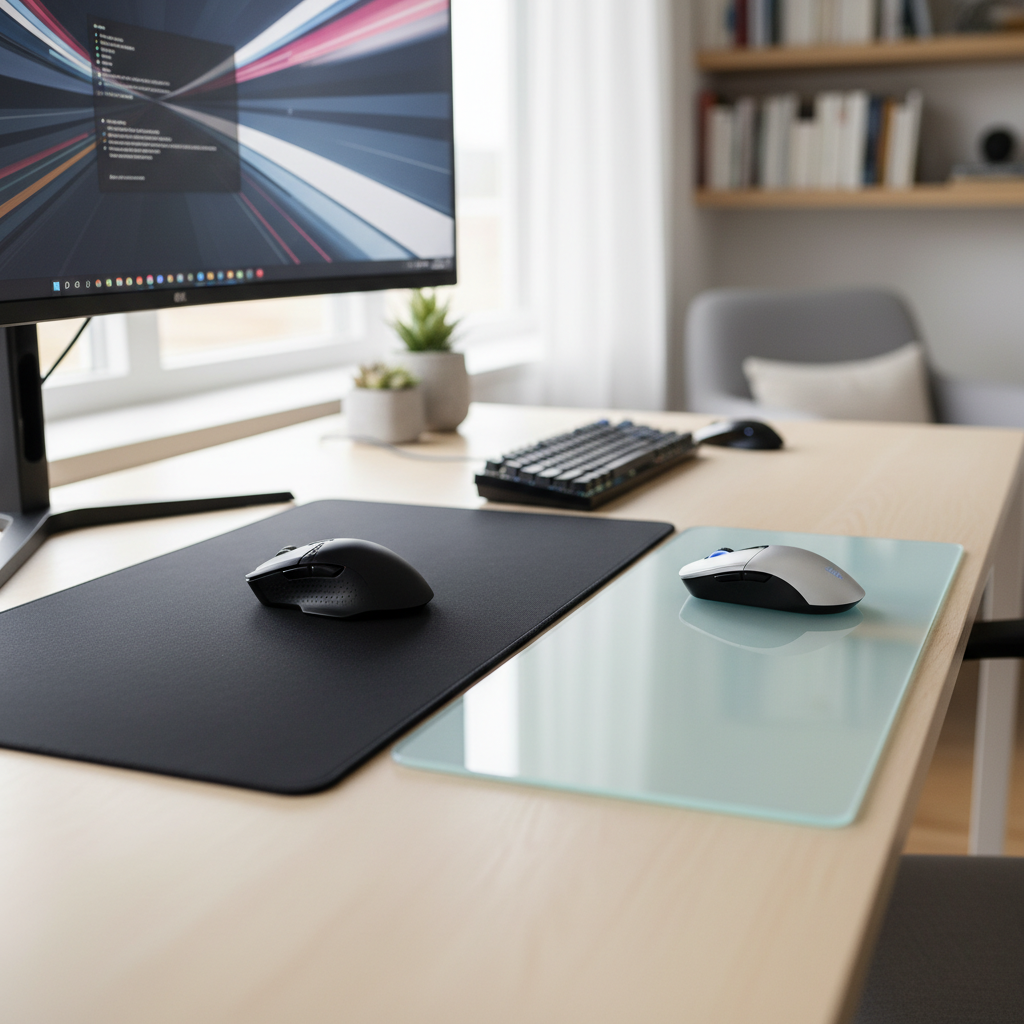
At their heart, large mouse pads and glass pads offer fundamentally different experiences. Large mouse pads, typically crafted from cloth or hybrid materials, emphasize control, comfort, and ample space, often covering a significant portion of your desk. Glass pads, on the other hand, are engineered for maximum speed, consistency, and extreme durability, providing a near-frictionless glide that appeals to users seeking ultimate precision and rapid movements. The choice hinges on whether your priority is a cushioned, controlled movement or a swift, unhindered glide.
The Classic Choice: Large Mouse Pads – Unpacking the Advantages
Large mouse pads have long been a staple for good reason, offering a blend of comfort, control, and versatility that remains unmatched for many users. Their design caters to a broad spectrum of activities, from intensive gaming to everyday productivity.
Size Matters: Why Bigger is Better?
|
Our Picks for the Best Large mouse pad in 2026
As an Amazon Associate I earn from qualifying purchases.
|
||
| Num | Product | Action |
|---|---|---|
| 1 | TEDNETGO Large Gaming Mouse Pad, Waterproof Extra Large Big Mouse Pad with Stitched Edge, XXL Non-Slip Black Computer Long Mousepad Desk Mat for Gamer, Office & Home, Black |

|
| 2 | Large Gaming Mouse Pad, 31.5x15.7 inch Large Extended Computer Keyboard Mouse Mat, Water Resist Non-Slip Mousepad Rubber Base Long XXL Desk Mouse Pad for Work & Gaming, Office & Home, Black |
|
| 3 | Amazon Basics Large Extended Computer Rectangular Mouse Pad, 16.7 x 35.7 inch, Black |
|
| 4 | KTRIO Large Gaming Mouse Pad Desk Mat, Superior Micro-Weave Cloth for Precise Mouse Control, Non-Slip Rubber Base, Stitched Edges, Water-Resistant, for Gamer, Office & Home, 31.5" x 11.8" inches |
|
| 5 | Razer Gigantus V2 Cloth Gaming Mouse Pad (XXL): Thick, High-Density Foam - Non-Slip Base - Classic Black |
|
| 6 | SteelSeries QcK Gaming Mouse Pad - XXL Cloth - Peak Tracking and Stability - Esports Mousepad - Never-Slip - Full Desk Coverage |
|
| 7 | Aothia Non-Slip Waterproof PU Leather Desk Pad Protector for Mouse, Writing Desk, Office, Home, Laptop Blotter, 23.6" x 13.7", Black |
|
| 8 | Mouse Pad, Large Gaming Mouse Pad with Double Stitched Edges, 14.9 x 11.7 inches Premium-Textured & Waterproof Mousepad, Nonslip Natural Rubber Base Mouse pad for Laptop,Computer, Office, Black |
|
| 9 | Large Extended Gaming Mouse Pad with Stitched Edges, (31.5X15.7In) Durable Non-Slip Natural Rubber Base, Waterproof Computer Keyboard Pad Mat for Esports Pros/Gamer/Desktop/Office/Home-Black |
|
| 10 | SteelSeries QcK Large Gaming Mousepad — Black — Non-Slip Silicone Rubber Base — Peak Tracking and Stability — Optimized for Gaming Sensors — 490 mm x 420 mm — FPS, MOBAs, RTS, MMO |
|
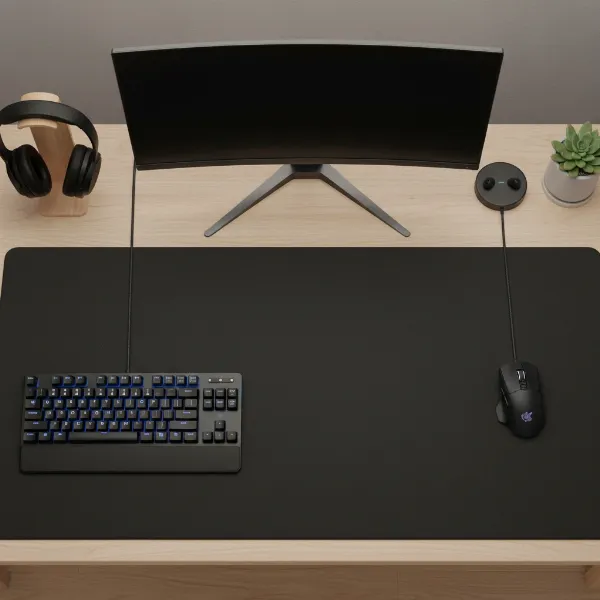
Large, or extended, mouse pads provide an expansive surface that accommodates both your mouse and keyboard, creating a unified and cohesive workspace. This generous space is particularly beneficial for gamers who prefer low mouse sensitivity settings, allowing for wide, sweeping movements without the need to lift and reposition the mouse. For example, in competitive first-person shooters, unrestricted movement can significantly improve aiming accuracy and tracking. Beyond gaming, these pads offer consistent tracking across the entire surface, reducing friction and wrist strain during long sessions. They also act as a protective layer for your desk, guarding against scratches, spills, and wear. Common dimensions for large mouse pads range from 900x400mm (approximately 35×16 inches) to even larger sizes, offering flexibility for various desk setups.
Surface Versatility: Types and Their Trade-offs
Large mouse pads come in several surface types, each offering a distinct feel and performance profile:
- Cloth Mouse Pads: These are the most common, known for providing excellent control and precision. Their textured surface allows for precise micro-adjustments, making them ideal for tactical shooters or detailed design work. They are also generally softer, offering a more comfortable resting surface for your wrist and forearm.
- Hybrid Mouse Pads: These surfaces aim to blend the best of both worlds, offering more speed than traditional cloth pads while retaining a degree of control. They often feature a harder, slicker surface than pure cloth but with enough texture for precise movements.
- Hard Mouse Pads (Non-Glass): While less common in “large” formats, some hard pads exist. They offer faster glide than cloth but typically lack the extreme speed and consistency of glass, often made from plastic or aluminum.
Comfort and Feel: Prioritizing Your Well-being
One of the significant advantages of large cloth mouse pads is the enhanced comfort they provide. Their padded or cushioned surfaces alleviate pressure on the wrist and forearm, reducing strain and fatigue during extended computer use. This ergonomic benefit promotes a more relaxed posture, which can be crucial for preventing repetitive strain injuries. Additionally, the soft surface can absorb mouse clicks and movements, leading to a quieter user experience.
When to Choose a Large Mouse Pad
A large mouse pad is the ideal choice if you prioritize:
- Control and Precision: Excellent for games requiring fine aim adjustments or detailed graphical work.
- Comfort: The soft, cushioned surface is easier on the wrists and forearms during long hours.
- Desk Protection and Aesthetics: Covers a wide area, protecting your desk and unifying your setup’s look.
- Budget-Friendliness: Generally more affordable than glass pads, especially for larger sizes.
- Noise Reduction: Helps dampen the sound of mouse movements and impacts.
The Modern Alternative: Glass Pads – A Deep Dive into Performance
Glass mouse pads represent a significant evolution in peripheral surfaces, prioritizing speed, consistency, and durability. They offer a premium experience that can fundamentally change how your mouse interacts with your desk.
Unrivaled Speed and Precision
Glass pads are renowned for their extremely low-friction surfaces, allowing your mouse to glide with minimal resistance. This “frictionless” feel translates to lightning-fast movements and effortless flick shots in games. The consistent glide speed, unaffected by temperature, humidity, or dirt, ensures every movement is accurately registered, providing immense precision for tracking enemies or making rapid adjustments. “Glass pads offer a consistent glide speed, precise tracking, and minimal friction variation, enhancing performance in humid conditions,” explains a Cerakey review.
Durability and Longevity
One of the standout features of glass pads is their exceptional durability. Unlike cloth pads that can fray, wear out, or develop “slow spots” over time, glass pads are highly resistant to wear and tear. They maintain their “as new” performance for years, often lasting three years or more, making them a long-term investment that can be more cost-effective than frequently replacing cloth pads. Many are made from tempered or aluminosilicate glass, similar to what’s used in smartphone screens, offering high scratch resistance.
Effortless Maintenance
Cleaning a glass mouse pad is remarkably straightforward. Spills, sweat, and oils are easily wiped away with a damp microfiber cloth and a mild cleaning solution, maintaining a pristine surface for optimal performance. This ease of cleaning means less time on maintenance and more time enjoying a consistent, clean surface, unlike cloth pads that absorb liquids and require more intensive washing. However, it’s worth noting that due to their smooth surface, glass pads can make even the slightest speck of dust or dirt noticeable, requiring more frequent wiping.
When to Choose a Glass Pad
A glass pad is an excellent choice if you seek:
- Maximum Speed and Quick Flicks: Ideal for fast-paced games where rapid mouse movements are critical.
- Unwavering Consistency: The glide remains uniform over time and across environmental conditions.
- Exceptional Durability: A long-lasting investment that resists wear and tear.
- Easy Cleaning: Spills and dirt wipe away effortlessly.
- Precise Tracking: The smooth surface offers unparalleled accuracy for optical sensors.
Surface Showdown: Speed, Control, and Precision
The core difference between large mouse pads (especially cloth) and glass pads lies in their surface characteristics, which directly impact performance.
| Feature | Large Mouse Pad (Cloth) | Glass Pad |
|---|---|---|
| Speed | Varies (slow to medium-fast); can degrade over time | Ultra-fast; consistent, near-frictionless glide |
| Control | High; textured surface allows for precise stopping | Low inherent stopping power; relies more on mouse control |
| Precision | High for micro-adjustments; can have inconsistencies | Extremely high and consistent; excellent for tracking |
| Consistency | Can develop slow spots due to wear, dirt, humidity | Excellent; performance remains “as new” over time and conditions |
| Noise | Quiet; dampens mouse clicks and movements | Can be louder with mouse skates, especially if dust is present |
| Mouse Skate Wear | Low; extends the life of mouse skates | Higher; can wear down mouse skates faster, often requiring replacements |
For competitive gamers, the choice often comes down to play style. Those who prefer tactical shooters and need precise, controlled movements often lean towards cloth pads. Conversely, players in fast-paced games who rely on quick reactions and wide flick shots might find glass pads offer a distinct advantage. For productivity, the consistency of glass can be appealing for tasks requiring high precision, but the comfort of a large cloth pad may be preferred for long workdays.
Durability and Maintenance: A Long-Term Perspective
Considering the lifespan and care requirements is essential when investing in a mouse pad.
Lifespan: A Tale of Two Materials
Glass mouse pads boast significantly superior longevity compared to their cloth counterparts. Made from hardened materials like tempered or aluminosilicate glass, they are resistant to the wear and tear that causes cloth pads to fray, thin, or develop inconsistencies. A good quality glass pad can maintain its pristine performance for three years or more, often outlasting several cloth pads. Cloth pads, while durable, are subject to fabric degradation, sweat absorption, and dirt buildup, which necessitates more frequent replacement to maintain optimal performance.
Cleaning Regimens: Keeping Your Surface Pristine
- Cleaning Large Mouse Pads (Cloth): Most cloth pads can be hand-washed with warm water and a mild soap or shampoo. Submerge the pad, gently scrub with a soft sponge or microfiber cloth, rinse thoroughly with cold water, and then air dry completely. Avoid machine washing if the pad has custom prints or RGB lighting, and never put it in a dryer, as heat can cause damage or deformation.
- Cleaning Glass Pads: Glass pads are remarkably easy to clean. For daily maintenance, a dry microfiber cloth is usually sufficient to remove dust and fingerprints. For deeper cleaning, dampen a microfiber cloth with warm water and a small amount of mild dish soap or a specialized glass cleaner. Wipe the surface evenly, then dry thoroughly with a clean, dry microfiber cloth to prevent streaks.
“Cleaning is a breeze with Glass Mouse Pads. Spills and stains are easily wiped away, maintaining a pristine surface for optimal performance.” – Wallhack, Gaming Mouse Pad Innovator
Environmental Factors: Humidity and Temperature
Cloth pads can be susceptible to environmental factors like humidity and temperature changes, which can subtly alter their glide characteristics. They also absorb sweat and oils, which can lead to “slow spots.” Glass pads, being non-porous and hard, are largely unaffected by these factors, offering consistent performance regardless of room conditions. However, a minor drawback is that glass pads can feel cold to the touch in cooler environments, which some users might find uncomfortable initially.
Ergonomics and Comfort: What Your Wrist Prefers
The tactile experience of a mouse pad significantly influences comfort, especially during extended use.
Cloth mouse pads offer a softer, more cushioned surface, which many find inherently more comfortable for resting their wrists and forearms. This soft texture can reduce pressure points and mitigate fatigue over long sessions. Glass pads, being rigid, provide no give or cushioning. While their ultra-smooth surface reduces friction, some users may find the hard feel less comfortable, especially if they rest their wrist heavily on the pad. To counter this, some glass pad users opt for arm sleeves to improve comfort and reduce skin-on-surface friction. The colder initial temperature of glass in cool rooms can also be a comfort factor, though it typically warms up with use.
Key Brands and Models: A Comparative Look
Both categories boast a range of reputable brands and popular models tailored to different preferences.
Popular Large Mouse Pads
Leading brands in large cloth and hybrid mouse pads include:
- SteelSeries QcK Series: Highly regarded for its consistent micro-woven cloth surface, offering excellent tracking and control. Available in various sizes, including XXL.
- Razer Gigantus V2: A popular cloth pad known for its textured micro-weave surface, designed for speed and control. Also available in large and XXL sizes. The Razer Strider is a hybrid option, balancing speed and control with a water-resistant surface.
- Corsair MM Series: Offers extended cloth pads with features like spill-proof surfaces and non-slip rubber bases for stability during intense use.
- Glorious PC Gaming Race: Known for its XXL printed mouse pads that combine performance with unique aesthetics, featuring low-friction glide and stitched edges.
Prominent Glass Pads
The market for glass pads, while newer, features some high-performance contenders:
- Skypad (Wallhack): Often cited as a pioneering brand in glass pads, known for its extreme speed and durability. The Wallhack SP-005 offers a refined experience with options for speed or control surfaces.
- Razer Atlas: Razer’s entry into tempered glass pads, featuring a micro-etched, matte surface optimized for optical sensors and designed to be quieter than other glass pads. It’s a large, rigid pad offering ample space.
- Pulsar Superglide: Features aluminosilicate glass (like Gorilla Glass) for exceptional durability and a unique multi-layered construction for a fast glide with surprising stopping power. It comes in various sizes, including XXL.
- Varmilo, ESPTIGER, PWNAGE: These brands also offer premium glass pads with features like etched surfaces, tempered finishes, and specialized coatings for enhanced glide and durability.
Making the Right Choice: Factors to Consider for Your Setup
Selecting the ideal mouse pad requires a personal assessment of your specific needs and preferences.
- Usage Scenario: Are you primarily a gamer, a professional designer, or a casual user? For precision-heavy tasks or tactical gaming, a large cloth pad might offer the necessary control. For fast-paced, competitive gaming, a glass pad’s speed could be transformative.
- Mouse and Skates: Glass pads can cause mouse skates to wear down faster. If you choose a glass pad, investing in high-quality PTFE or glass skates designed for speed and durability, and being prepared to replace them more frequently, is advisable.
- Mouse Sensitivity (DPI): Low DPI users benefit greatly from the expansive movement area of large pads. High DPI users might still appreciate the precise tracking and speed of glass pads for micro-adjustments.
- Budget: While large cloth pads are generally more affordable, glass pads, with their higher initial cost, often provide better long-term value due to their exceptional durability and consistent performance.
- Personal Preference: The “feel” of the pad is subjective. Some prefer the soft, yielding nature of cloth, while others love the hard, slick surface of glass. Consider if you’re sensitive to noise (glass can be louder) or temperature (glass can feel cold).
Ultimately, the best choice aligns with your individual playstyle, work habits, and comfort preferences.
Maintenance Tips for Both Large Mouse Pads and Glass Pads
Regular cleaning is crucial for extending the life and maintaining the performance of any mouse pad.
For both types, remove all accessories before cleaning. For cloth pads, frequent shaking outdoors can remove loose dust and debris. For glass pads, a quick wipe with a dry microfiber cloth daily is recommended to prevent dust buildup, which can affect glide. Always air dry cloth pads completely before reuse. Avoid abrasive cleaners or rough sponges on any mouse pad, especially glass, to prevent damage.
Conclusion
Choosing between a large mouse pad and a glass pad involves navigating a landscape of distinct advantages tailored to different user needs. Large mouse pads, particularly those made of cloth, excel in providing ample space, superior control, and plush comfort, making them a superb choice for precise gaming, detailed work, and ergonomic support. Their versatility and desk-protecting qualities continue to make them a popular, budget-friendly option.
Conversely, glass pads offer an uncompromising pursuit of speed, consistency, and durability. Their ultra-low friction surfaces provide an almost effortless glide, which translates into rapid, precise movements ideal for competitive, fast-paced gaming. While they demand a higher initial investment and may require more frequent mouse skate replacements, their exceptional longevity and ease of cleaning present a compelling long-term value proposition.
Ultimately, there is no single “best” mouse pad; rather, there is the best mouse pad for you. By carefully considering your primary use case, desired level of speed versus control, comfort preferences, and long-term maintenance expectations, you can confidently select the surface that will elevate your computing experience. Which of these main choices will become the ideal foundation for your mouse’s journey?
Câu Hỏi Thường Gặp
Are glass mouse pads worth the investment?
Glass mouse pads are generally more expensive upfront, but their exceptional durability and consistent performance over several years often make them a worthwhile long-term investment. They resist wear and tear far better than cloth pads, offering reliable glide for an extended period, which can offset the initial cost.
Do glass mouse pads wear out mouse skates faster?
Yes, the hard, low-friction surface of glass mouse pads can cause mouse skates (or feet) to wear down more quickly compared to softer cloth pads. It is advisable to use durable PTFE or specialized glass skates and be prepared for more frequent replacements to maintain optimal glide.
Can you game on a glass mouse pad with high DPI?
While glass mouse pads are often associated with low DPI settings due to their speed, they can certainly be used effectively with high DPI. The superior consistency and precision of a glass surface still benefit high DPI users by allowing extremely fine micro-adjustments and swift movements, though some users might find the experience too “slick” initially.
Are large mouse pads only for gaming?
No, large mouse pads are not exclusively for gaming. While popular among gamers for providing extensive movement space, they are also highly beneficial for productivity and general computer use. They offer a unified, comfortable surface for both keyboard and mouse, protect your desk, and can improve overall workspace aesthetics.
How often should I clean my mouse pad?
The frequency of cleaning depends on usage. For glass pads, a quick wipe with a dry microfiber cloth daily is recommended, with a more thorough cleaning using mild soap or glass cleaner weekly. Cloth pads may need spot cleaning regularly and a full hand wash every few months, or whenever performance begins to degrade due to dirt and oils.